Glass insulators are crucial for coastal transmission lines. They help maintain electrical systems along shorelines. However, these environments present specific challenges. Factors such as salt, humidity, and extreme weather can affect insulator performance. Understanding the impact of marine conditions is important for enhancing durability and reliability. Coastal insulators need to withstand corrosion and moisture. Manufacturers like Electric Powertek are focused on providing solutions to these challenges.
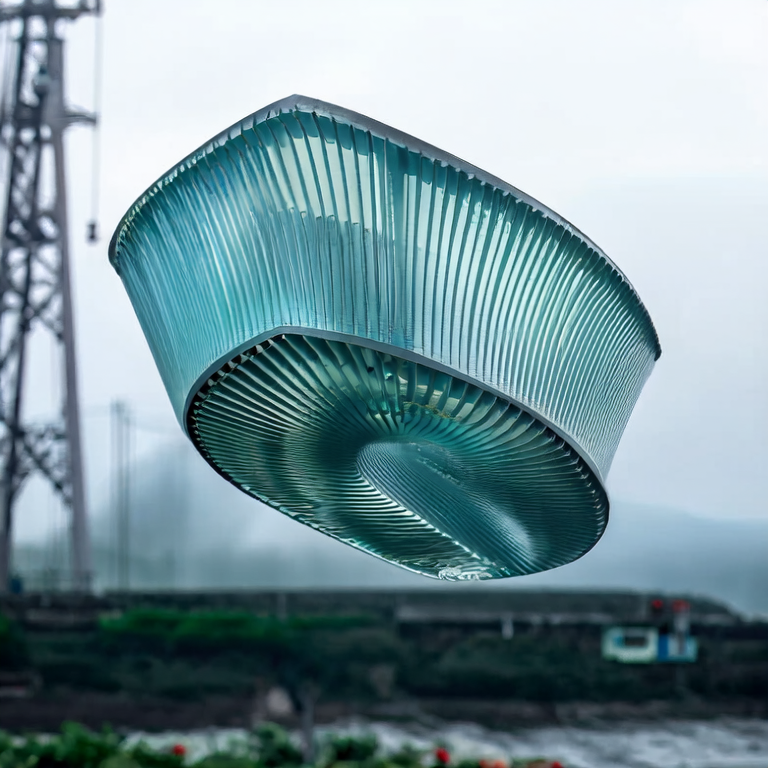
Coastal transmission lines face challenges like corrosion and extreme weather, but solutions like using specialized glass and improved designs can enhance insulator performance and reliability.
Saltwater exposure leads to corrosion of insulating components. Studies show that insulators in coastal areas need regular maintenance.
High winds and heavy rains can damage insulators. Data indicates that glass insulators are less prone to breakage compared to ceramic ones under similar conditions.
Moisture can cause tracking, leading to power outages. Advanced designs, such as longer sheds, can reduce moisture retention on the surface.
For longevity, materials must be resilient. Experimental data shows that certain glass formulations perform better over years in coastal settings.
Manufacturing processes can affect the environment. Choosing eco-friendly materials helps mitigate this issue while maintaining strength and durability.
Access for maintenance can be difficult. Regular monitoring systems using drones are emerging as a practical solution for coastal inspections.
In summary, glass insulators are critical for coastal transmission lines, facing challenges from the environment. Solutions provided by manufacturers like Electric Powertek focus on enhancing durability and reliability. Through innovation and specialized designs, we can ensure the effective performance of these insulators in coastal areas.